 Bespoke builds
Larger organisations
Enterprise
Bespoke systems for larger organisations: sign-in, different access for different people, and secure records.
Website makers in Leominster, Herefordshire
We build and look after websites for churches and community groups, small businesses, larger organisations, and people selling a car, bike or house. Forty years of experience, with modern tools used responsibly.
Four kinds of project. Pick yours to see what we build, and what it costs.
Bespoke builds
Larger organisations
Bespoke systems for larger organisations: sign-in, different access for different people, and secure records.
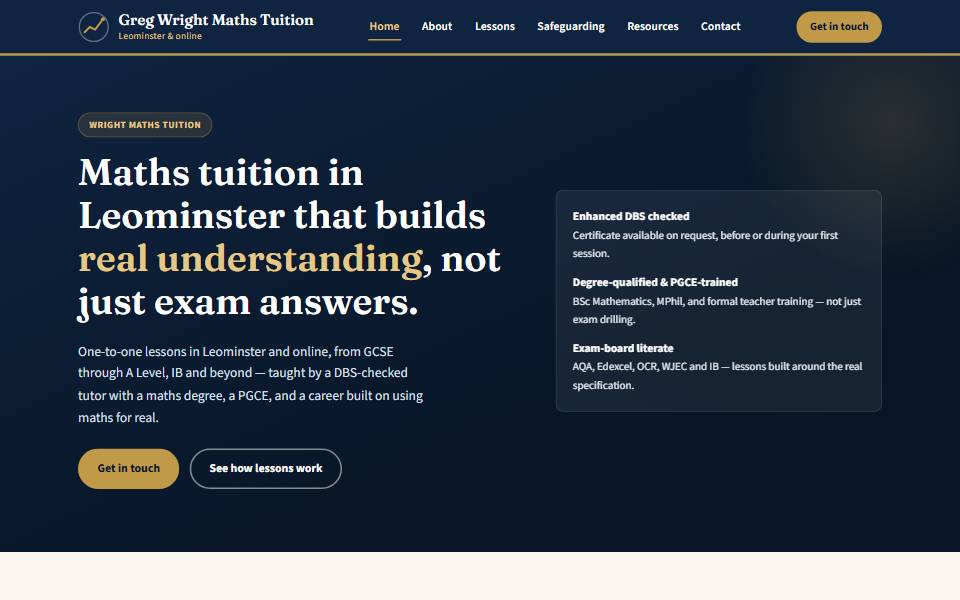
Small & growing businesses
A website that shows what you do, lists what you sell, or runs your own online tool. Quick to load, easy to find, and easy for you to change yourself.
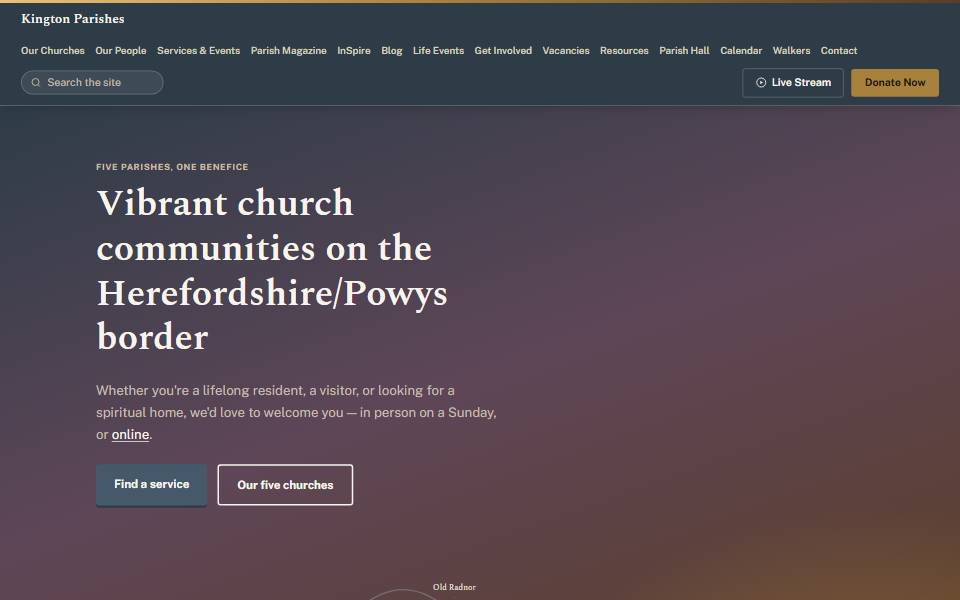
Charities · churches · community groups
Single churches, whole groups of churches (benefices), foodbanks and village groups. Built for volunteers who have ten minutes, not ten hours.
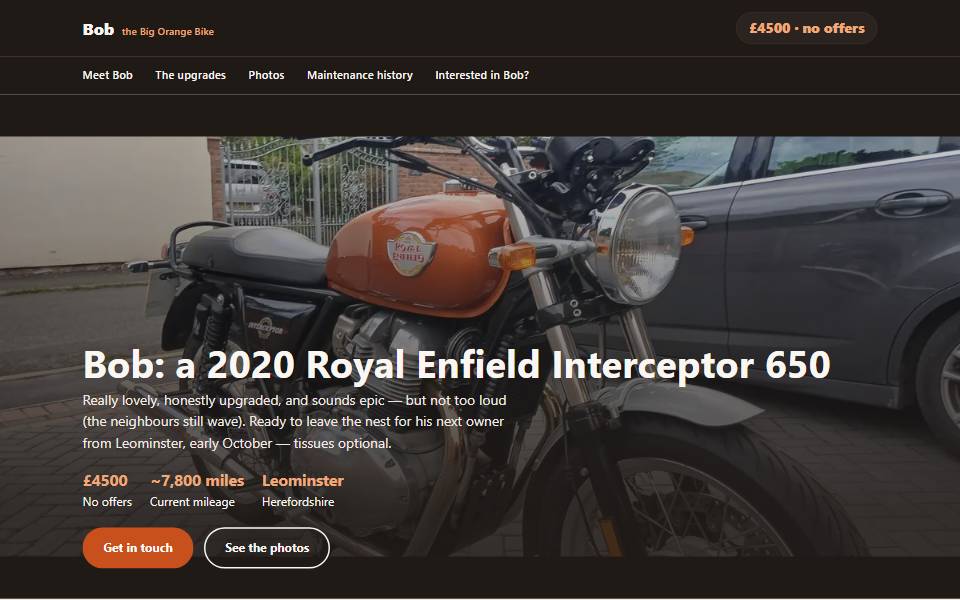
Cars · motorbikes · houses
A one-page site for the thing you're selling, with photos, history and upgrades. Share one link everywhere, and it comes down when it's sold.
Enterprise picture: a stock photo by Spencer Plouzek on Unsplash, a stand-in until we have a real example to show.
On price
For not-for-profit and community organisations, we provide systems and services at cost price or free of charge, at our discretion.
What we mean by quality.
The right values, the right thing properly specified, sound architecture, and disciplined, tested practice.
Whichever door you came through
A church noticeboard and a shop's stock list get the same checks. They run automatically before every change goes live, not once at launch. If a check fails, the change doesn't go live.
And it doesn't stop at launch. Every morning we check each site against public lists of known security problems. If one affects you, we prepare a fix and a person reviews it before it goes live. How we watch your site
You own the code from day one. It lives in your own GitHub repository, not locked inside a page builder.
Checks that run before every change
✓accessibility: every page passes, 0 problems found
✓readability: text stands out clearly from its background
✓keyboard: menu, search and forms work without a mouse
✓security: settings in place, private files can't be reached
✓search: easy for search engines to find and read
✓content: calendar, notices, people and prices checked
Checks on the software the site relies on
✓no known serious security problems
466 checks passed · Kington Parishes · 26 Sep 2026
Kington Parishes · as of 26 Sep 2026
466
automatic checks before every change
151
updates published since 31 August
36
pages, all built the same way
0
accessibility problems found on any page
0
known serious security problems
SiteAdmin
Tell SiteAdmin what you want, in plain English. It prepares the change and checks it before it goes live. You don't need a page builder, a password to forget, or to wait for us.
A volunteer asks
Can you add the harvest supper to the calendar? Saturday 11 October, 7pm, Kington Parish Hall.
SiteAdmin drafts it
One calendar entry. This volunteer can only change the calendar, and the change is checked against that.
Every check runs
466 passed across accessibility, security and content
It's live, and recorded
Published, and added to the site's public list of updates
Example request. The steps and checks are the ones SiteAdmin really runs.
How we work
Eight principles from forty years of professional software engineering, written down before AI tools existed. They're public, and every site we build follows them.
We use an AI tool, Claude Code, to do most of the typing. People make the decisions, and a full suite of automatic checks hold the code to account.
2026.10.13.002Add MediaWright Motors, a fictional car and motorbike dealer, as a demonstration of what we can…
2026.10.13.001Fix the project cards' row of three figures pushing the page sideways on the narrowest phones…
2026.10.10.007Set up the repo for Matt Pocock's engineering skills: notes on where issues live, the triage labels…
2026.10.10.006Add a link to the talk "Software Fundamentals Matter More Than Ever" by Matt Pocock under "What…
2026.10.10.005Homepage puts our general approach ahead of past projects: the four doors no longer name example…
Two things we have built that you can use without commissioning a whole project.
For parochial church councils (PCCs) and groups of churches
Keep the documents your church council must publish in order. Private papers stay private, and every file is checked for viruses before anyone opens it.
For any site we build
Change your own website by asking for it in plain English, with every change checked before it goes live.
Not sure where to start? Email, call or message. We'll tell you plainly what it would take, what it would cost, and whether we're the right fit. Or start with the four doors above.